
Who Is a Good Candidate for Microneedling in Alpharetta, GA?


Who Is a Good Candidate for Microneedling in Alpharetta, GA?
Discover whether microneedling is right for your skin and how this collagen-stimulating treatment can improve acne scars, fine lines, enlarged pores, and uneven skin texture.
Healthy, radiant skin doesn't happen overnight. For individuals struggling with acne scars, uneven texture, enlarged pores, or early signs of aging, microneedling offers a minimally invasive approach to improving the skin's appearance.
At Transformations in Alpharetta, GA, we focus on results-driven aesthetic treatments designed to address individual skin concerns and support long-term skin health.
But how do you know if microneedling is the right treatment for you?
Let's explore who makes a good candidate, what concerns microneedling can address, and what to expect from the treatment.
What Is Microneedling?
Microneedling, also known as collagen induction therapy, is a cosmetic procedure that uses tiny, sterile needles to create controlled micro-injuries in the skin.
These micro-injuries stimulate the body's natural wound-healing response, encouraging the production of collagen and elastin. Collagen and elastin are essential proteins responsible for maintaining the skin's firmness, elasticity, and overall structure.
As we age, collagen production naturally decreases, contributing to fine lines, wrinkles, and changes in skin texture.
Microneedling helps stimulate skin renewal, gradually improving the appearance of various skin concerns.
1. Individuals With Acne Scars
One of the most common reasons people seek microneedling in Alpharetta is to improve the appearance of acne scars.
Even after active acne has cleared, some individuals are left with depressed scars or uneven skin texture.
Microneedling stimulates collagen production within the treated areas, which may gradually soften the appearance of certain atrophic acne scars.
Microneedling may benefit individuals experiencing:
Rolling acne scars
Certain boxcar scars
Mild to moderate depressed acne scarring
Uneven texture caused by previous breakouts
Deeper scars may require additional treatments or alternative procedures.
Microneedling is generally best performed after active inflammatory acne has been brought under control.
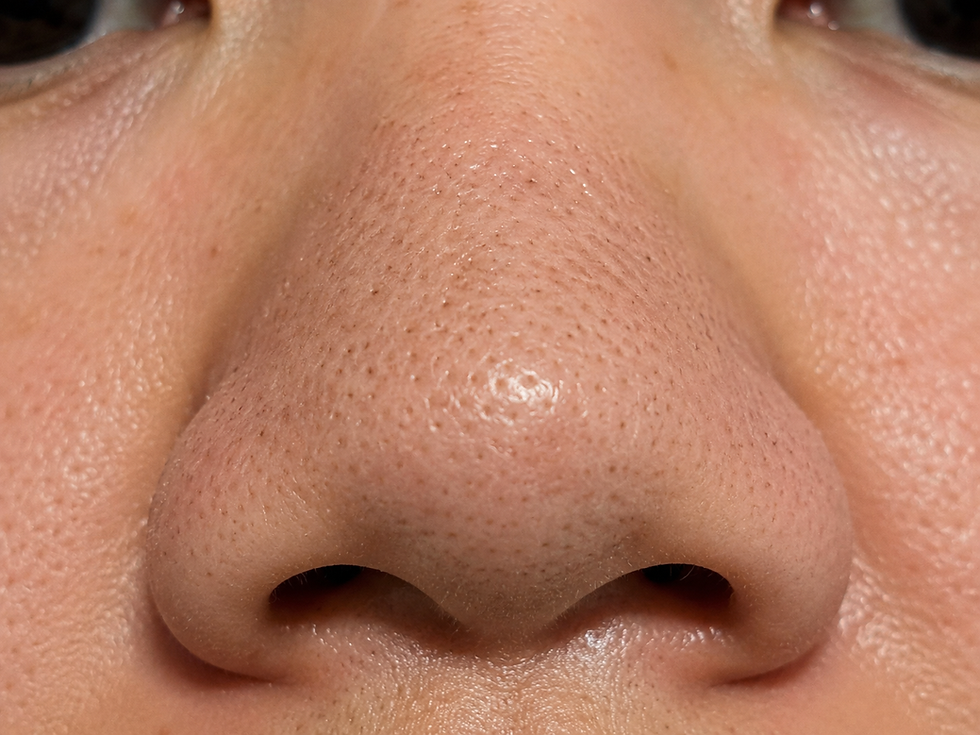
2. Individuals With Enlarged Pores
Enlarged pores are another common skin concern.
Although pore size is influenced by genetics, oil production, and skin structure, microneedling may help improve the appearance of enlarged pores by supporting collagen production around the surrounding skin. As the skin's texture improves, pores may appear less noticeable.
Individuals experiencing enlarged pores on the cheeks, nose, or surrounding facial areas may benefit from a personalized treatment plan.
It's important to understand that microneedling does not permanently eliminate pores.
Instead, the goal is to improve the overall appearance and texture of the skin.
3. Individuals Experiencing Fine Lines and Early Signs of Aging
As collagen levels decline with age, the skin gradually loses firmness and elasticity.
This can contribute to fine lines, wrinkles, and changes in skin texture.
Microneedling is commonly used to address early signs of aging by encouraging the skin's natural collagen production.
Potential benefits include improvements in:
Fine lines
Mild wrinkles
Skin texture
Overall skin smoothness
The appearance of mild skin laxity
Results develop gradually as the skin produces new collagen.
For individuals seeking a nonsurgical approach to skin rejuvenation, microneedling may be worth considering.
4. Individuals With Uneven Skin Texture
Not every skin concern involves acne or wrinkles.
Some individuals simply notice that their skin feels rough, looks uneven, or no longer has the smooth appearance it once did. Microneedling can help improve certain textural irregularities by encouraging skin remodeling.
This treatment may be particularly beneficial for individuals experiencing roughness associated with previous acne scarring or age-related changes.
A consultation can help determine whether microneedling or another treatment would better address the underlying concern.
5. Individuals With Certain Types of Hyperpigmentation
Hyperpigmentation occurs when areas of the skin develop excess pigment, resulting in dark spots or uneven skin tone. Some forms of discoloration may improve with microneedling, particularly when incorporated into a carefully selected treatment plan.
However, not all hyperpigmentation responds appropriately to microneedling.
Conditions such as melasma and post-inflammatory hyperpigmentation require special consideration because skin irritation or inflammation can sometimes worsen discoloration.
Individuals with darker skin tones may also have an increased risk of post-inflammatory pigmentation changes.
At Transformations, treatment suitability should be determined through an individual skin assessment rather than assuming every dark spot requires the same procedure.
6. Individuals Looking for Gradual, Natural-Looking Skin Improvement
Microneedling may appeal to individuals who prefer gradual improvements rather than dramatic cosmetic changes. Because the treatment relies on the body's natural collagen production, improvements generally develop over several weeks or months.
Some individuals notice changes in skin texture after initial healing, while more significant improvements may require multiple sessions. The number of treatments depends on the condition being addressed, skin response, and individual treatment goals.
For many patients, microneedling is part of a longer-term skin maintenance plan.
Who Should Avoid Microneedling?
Although microneedling can be appropriate for many individuals, it isn't suitable for everyone.
Certain conditions may require postponing treatment or obtaining medical clearance.
These include:
Active inflammatory acne or skin infections
Open wounds or irritated skin
Active cold sores in the treatment area
A history of keloid scarring
Certain inflammatory skin conditions
Poor wound healing
Some bleeding disorders or medications affecting clotting
Recent use of isotretinoin, depending on the treatment and medical history
Pregnant or breastfeeding individuals should also discuss treatment suitability with their healthcare provider.
A thorough consultation is essential before beginning treatment.
Is Microneedling Safe for All Skin Tones?
Microneedling can be performed on a wide range of skin tones, including darker complexions. Unlike certain laser treatments, traditional microneedling does not primarily rely on targeting pigment with light energy.
However, this does not eliminate the possibility of complications.
Individuals with darker skin tones can still experience post-inflammatory hyperpigmentation, particularly if treatment is too aggressive or the skin becomes excessively inflamed.
Appropriate needle depth, technique, patient selection, and aftercare are essential.
The goal should always be effective treatment while protecting the skin barrier.
How Many Microneedling Sessions Will I Need?
The number of sessions varies depending on the individual's skin concerns.
Someone seeking general improvements in skin texture may have different treatment needs than someone addressing established acne scars.
Microneedling is commonly performed as a series of treatments spaced several weeks apart to allow the skin adequate healing time. Collagen remodeling continues after each session, meaning results may develop gradually.
During a consultation, an individualized treatment plan can help establish realistic expectations.
What Should You Expect After Microneedling?
Following microneedling, the skin commonly appears red or flushed, similar to a mild sunburn.
Temporary side effects may include:
Redness
Mild swelling
Tightness
Sensitivity
Dryness or light flaking
These effects often improve within several days, although recovery varies depending on treatment intensity and individual skin sensitivity. Patients should follow their provider's aftercare instructions, avoid unnecessary irritation, and protect their skin from sun exposure.
Because the skin barrier is temporarily disrupted, using appropriate skincare products during recovery is especially important.
Why Choose Transformations for Microneedling in Alpharetta, GA?
At Transformations, our philosophy centers on personalized, results-driven aesthetic treatments.
We understand that every individual's skin is different.
Whether you're addressing acne scars, enlarged pores, uneven texture, or early signs of aging, selecting the appropriate treatment begins with understanding your skin's unique needs.
Our goal is to help patients make informed decisions about their aesthetic treatments while establishing realistic expectations.
Located in Alpharetta, Georgia, Transformations serves individuals seeking professional skin treatments in Alpharetta and surrounding communities, including Milton, Johns Creek, Roswell, and Cumming.
Ready to Discover Whether Microneedling Is Right for You?
If you've been researching microneedling in Alpharetta, GA, the first step is determining whether the treatment is appropriate for your skin concerns.
At Transformations, we believe that beautiful results begin with the right treatment plan.
Explore our microneedling services and schedule a consultation to learn more about your options.
Transformations | Alpharetta, GA
Life-changing Transformations.
FAQS
1. Is microneedling good for all skin types?
Microneedling can be suitable for many skin types and tones, but treatment should be customized to the individual's skin condition and medical history.
2. Can microneedling help with old acne scars?
Yes. Microneedling may improve the appearance of certain older, depressed acne scars by stimulating collagen production. Results vary depending on scar type and severity.
3. How much downtime does microneedling require?
Most patients experience redness and mild sensitivity for approximately 1–3 days, although recovery can take longer depending on treatment intensity.


Comments