
Laser Genesis for Sun Spots in Alpharetta, GA: Does It Work?

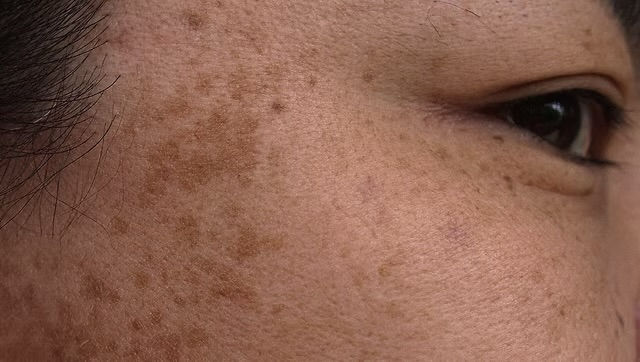
Laser Genesis for Sun Spots in Alpharetta, GA: Does It Work?
Years of sun exposure can leave behind stubborn brown spots, uneven pigmentation, and visible changes in skin tone. Even with a consistent skincare routine, some sun spots can be difficult to improve using topical products alone.
If you're searching for Laser Genesis for sun spots in Alpharetta, GA, you may be wondering whether this popular laser treatment can help restore a brighter, more even-looking complexion.
At Transformations – Results-Driven Aesthetics, we understand how frustrating sun damage and uneven pigmentation can be.
Laser treatments offer several approaches to improving the appearance of sun-damaged skin. However, not every laser works the same way.
Let's explore how Laser Genesis works, whether it can improve sun spots, and which laser technologies may be more appropriate for pigmentation concerns.
What Are Sun Spots?
Sun spots, sometimes called age spots or solar lentigines, are areas of increased pigmentation that commonly develop after repeated exposure to ultraviolet radiation.
They often appear as flat brown patches on areas frequently exposed to sunlight, including:
Face
Forehead
Cheeks
Nose
Hands
Neck
Décolleté
Sun spots become more common with age, but they can also develop in younger individuals with significant sun exposure.
Although many sun spots are harmless, new or changing pigmented lesions should be evaluated by a qualified medical professional before cosmetic treatment.
What Is Laser Genesis?
Laser Genesis is a non-invasive skin-rejuvenation treatment commonly performed using a long-pulsed 1064 nm Nd laser.
The procedure delivers controlled thermal energy into the skin, helping stimulate collagen remodeling and improve selected cosmetic concerns.
Laser Genesis is commonly associated with improvements in:
Uneven skin texture
Fine lines
Facial redness
Enlarged-looking pores
Overall skin appearance
Because Laser Genesis primarily uses gentle heating rather than targeting pigment with extremely short pulses, it is not generally considered the first-choice laser treatment for isolated brown sun spots. However, it may help improve other visible signs of sun-damaged skin.
Can Laser Genesis Remove Sun Spots?
Laser Genesis may improve the overall appearance of certain sun-damaged skin concerns, but it is not specifically designed to remove individual brown spots.
Traditional Laser Genesis treatments focus on gentle dermal heating and collagen remodeling.
Brown pigmentation, on the other hand, often requires a treatment designed to target melanin more directly.
For individuals whose primary concern is visible sun spots, other laser technologies may be more suitable.
The best option depends on several factors, including:
Skin tone
Type of pigmentation
Depth of pigment
History of hyperpigmentation
Recent sun exposure
Medical history
Specific laser technology
A professional assessment is essential before choosing a pigmentation treatment.
How Do Laser Treatments Target Sun Spots?
Certain pigmentation-focused lasers use concentrated light energy that is absorbed by melanin, the pigment responsible for skin color.
Depending on the technology, this energy can disrupt targeted pigment particles.
The body may then gradually clear some of the treated pigment through natural biological processes. Different lasers use different pulse durations and wavelengths, which influence how energy interacts with the skin. Some commonly used technologies for pigmentation concerns include:
Picosecond Lasers
Picosecond lasers deliver extremely short pulses of energy.
These pulses can create photoacoustic effects that help disrupt certain pigment particles.
Picosecond laser treatments may be used for selected pigmentation concerns, although effectiveness and safety depend on the device, treatment settings, and pigmentation type.
Q-Switched Lasers
Q-switched lasers deliver short, high-energy pulses that can target certain pigmented lesions.
They have been used for selected sun spots and other pigmentation concerns.
Other Pigmentation Treatments
Depending on the diagnosis, dermatologists may recommend other options, including topical medications, certain chemical peels, or alternative light-based procedures.
No single treatment is appropriate for every type of pigmentation.
Laser Genesis vs. Picosecond Laser for Sun Spots
Although both technologies may use a 1064 nm Nd wavelength, they work differently.
Laser Genesis generally uses longer pulses and controlled heating to improve skin texture and selected signs of aging.
Pico lasers use extremely short pulses that may be more appropriate for targeting certain pigmentation concerns.
The difference is important because sharing the same wavelength does not mean two devices produce identical effects. For clients primarily concerned with brown sun spots, a pigmentation-focused treatment may be more suitable than traditional Laser Genesis.
Can Laser Treatments Improve Uneven Skin Tone?
Certain laser treatments may help improve the appearance of uneven pigmentation, but the underlying cause must be identified first.
Not all dark spots are caused by sun exposure.
Other possibilities include:
Post-inflammatory hyperpigmentation
Melasma
Freckles
Solar lentigines
Medication-related pigmentation
Other skin conditions
Melasma, in particular, can worsen with heat, irritation, or inappropriate laser treatment.
Because these conditions respond differently, accurate assessment is essential.
Are Laser Treatments Safe for Darker Skin Tones?
Some 1064 nm Nd laser treatments can be appropriate for darker skin tones when performed using suitable devices and carefully selected settings.
However, individuals with melanin-rich skin may be more susceptible to certain pigmentation complications after skin injury.
Potential risks include:
Post-inflammatory hyperpigmentation
Hypopigmentation
Burns
Blistering
Scarring
Uneven treatment results
A consultation should include a discussion of your skin type, pigmentation history, and the risks associated with the proposed treatment.
How Many Laser Treatments Are Needed for Sun Spots?
The number of treatments varies depending on the type of pigmentation, its depth, the technology used, and individual skin response.
Some superficial pigmented lesions may improve after relatively few treatments, while other conditions require multiple sessions or ongoing management.
Results are not guaranteed, and some pigmentation may return with continued sun exposure.
Your provider should explain the expected treatment course and potential limitations before treatment begins.
What Happens After a Laser Treatment for Sun Spots?
Recovery depends on the specific laser and treatment settings.
Some individuals experience temporary redness, swelling, or darkening of treated pigmentation.
Other treatments may produce more noticeable crusting or temporary changes in skin appearance. Following appropriate aftercare instructions is important to reduce irritation and minimize the risk of complications. Avoid picking or aggressively exfoliating treated areas.
How Can You Prevent New Sun Spots?
Sun protection is one of the most important steps in managing sun-related pigmentation.
Wear Broad-Spectrum Sunscreen
Choose a broad-spectrum sunscreen with SPF 30 or higher and reapply as directed, particularly during outdoor activities.
Avoid Excessive Sun Exposure
Seek shade when possible and limit prolonged exposure during peak ultraviolet hours.
Use Protective Clothing
Wide-brimmed hats, sunglasses, and protective clothing can help reduce sun exposure.
Maintain a Consistent Skincare Routine
Depending on your skin type, ingredients such as vitamin C, retinoids, or other dermatologist-recommended products may help improve the appearance of uneven pigmentation.
Seek Professional Evaluation
If you notice a new, changing, bleeding, or irregularly shaped dark spot, have it evaluated by a dermatologist before pursuing cosmetic removal.
Laser Facial Treatments for Sun Damage in Alpharetta, GA
If you're concerned about visible sun damage, dark spots, or uneven skin tone, professional guidance can help you explore appropriate treatment options.
At Transformations – Results-Driven Aesthetics in Alpharetta, Georgia, we focus on personalized aesthetic services designed around individual skin concerns.
Our laser facial services offer an opportunity to discuss cosmetic pigmentation concerns and determine whether an available treatment may be appropriate.
Treatment selection should always consider the specific device, your skin characteristics, and the nature of the pigmentation.
Frequently Asked Questions
Does Laser Genesis remove brown sun spots?
Traditional Laser Genesis is not generally the preferred treatment for removing isolated brown sun spots. Other pigmentation-focused technologies may be more suitable.
What laser is best for sun spots?
The most appropriate laser depends on the diagnosis, skin type, and pigmentation characteristics. Certain picosecond and Q-switched lasers are used for selected pigmented lesions.
Can sun spots come back after laser treatment?
Yes. Continued ultraviolet exposure can cause new pigmentation or contribute to recurrence. Consistent sun protection is important.
Is laser treatment painful?
Discomfort varies by device and treatment intensity. Some procedures produce a warming sensation, while others feel like brief snaps against the skin.
Can laser treatments make hyperpigmentation worse?
Yes. Inappropriate treatment can trigger additional pigmentation, particularly in individuals prone to post-inflammatory hyperpigmentation.
Sometimes, but it depends on the type of pigmentation and the device. Sun spots and post-inflammatory pigmentation have different causes and may require different treatment approaches.
Explore Laser Facial Treatments at Transformations
Sun damage, uneven pigmentation, and stubborn dark spots can affect the appearance of your complexion. Understanding which treatment is appropriate for your skin is the first step toward achieving your aesthetic goals.
At Transformations – Results-Driven Aesthetics, we believe in personalized treatment planning and informed skincare decisions. If you're interested in exploring cosmetic laser treatments in Alpharetta, Georgia, visit our Laser Facial page to learn more about available services.
Transformations – Results-Driven Aesthetics Alpharetta, GA
Located in Alpharetta, GA, proudly serving Alpharetta, Johns Creek, Roswell, Milton, Cumming, and surrounding areas.
Life-Changing Transformations.
Book a consultation to discuss your skin concerns and available treatment options.


Comments